All posts 7
- Fall trail day: what do you pack, and where does the Dr.Join Knee Support fit?2026.10.23
- How do you use the ONBODY Back Brace Dr.Belt AirFit on days spent on your feet?2026.10.22
- How do you read the maker details on an ONBODY product?2026.10.20
- How does each part of the Dr.Join Knee Support work?2026.10.20
- How do you put on the ONBODY Back Brace Dr.Belt AirFit?2026.10.20
- Who makes ONBODY products? About BMS CO., LTD.2026.10.20
- Cool mornings: how do you wear the Dr.Join Knee Support?2026.10.19
Fall trail day: what do you pack, and where does the Dr.Join Knee Support fit?
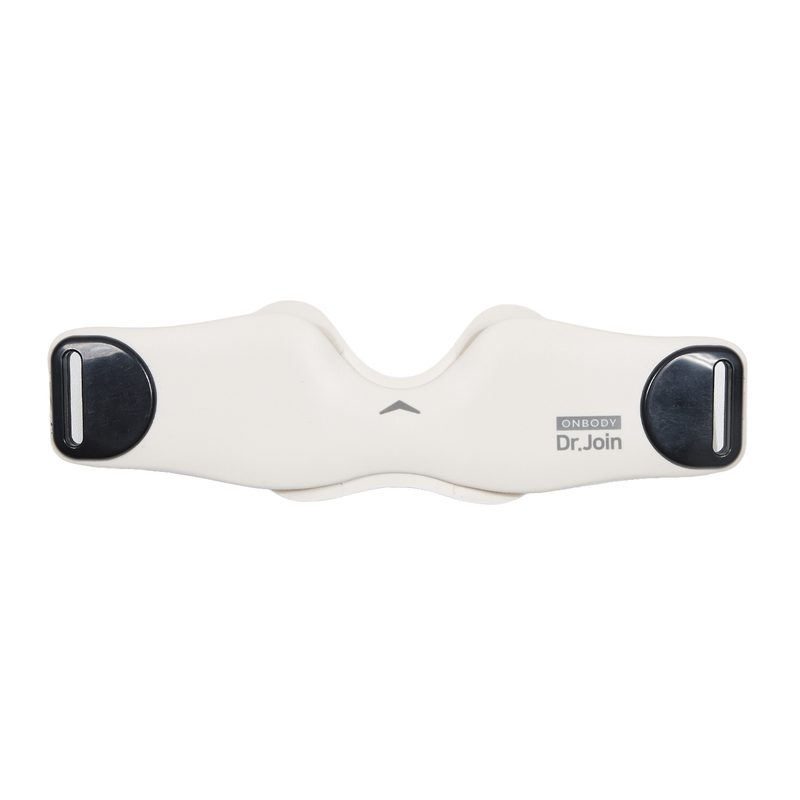
For a fall day hike, start with the basics the National Park Service lists: ankle-supporting footwear, removable layers, water, a light, and a plan someone else knows. If you also bring the Dr.Join Knee Support by BMS CO., LTD., size it and try it on at home first.
Fall colors move through the country on their own schedule. The USDA Forest Service publishes a national fall foliage prediction map and regional fall color reports, and timing depends on where you are and your elevation. Check the report for your area before you pick a weekend.
What does the National Park Service ask hikers to do in fall?
Park pages repeat the same short list. The numbers differ from park to park, so each line below names the park that gave it.
| Item | What the park says |
|---|---|
| Footing | Blue Ridge Parkway: slick leaves on the trail cause many hikers to fracture their ankles. Great Smoky Mountains: be cautious of loose, slick leaves, and wear ankle-supporting boots. |
| Layers | Blue Ridge Parkway: dress in layers you can add or remove as you warm up or cool down, and avoid cotton. Great Smoky Mountains: cotton holds water, and rain gear goes on before you get wet. |
| Wind and rain | Blue Ridge Parkway: bring a wind-resistant jacket and rain gear even on a sunny day. |
| Water | Blue Ridge Parkway: at least 2 quarts per person per day. Great Smoky Mountains: at least 1 liter per 2 hours of hiking. |
| Light | Blue Ridge Parkway: carry a flashlight or headlamp, even on a day hike, because darkness may fall before you finish. |
| Plan | Blue Ridge Parkway: tell a responsible person where you are going and when you plan to return. Great Smoky Mountains: check the forecast before you leave. |
How do you ease into a longer walk?
The Centers for Disease Control and Prevention gives one rule for anyone getting started with physical activity: start slowly and work your way up to more time or more challenging activities. For a first fall trail, that points to a shorter loop with a known turnaround point rather than the longest route on the map.
How do you fit a trail day together?
- Pick the trail and read the foliage report for that area.
- Check the forecast the evening before, and again before you leave the trailhead.
- Pack layers, a wind jacket, rain gear, water, and a light.
- Send your route and return time to someone at home.
- The night before, put on your footwear and any support you plan to use, and walk around the house for a few minutes.
Wearing the Dr.Join Knee Support on a trail day
The Dr.Join Knee Support is a non-electric knee support with no batteries or electronic parts. Its intended use:
"This product is intended to support the knee joint by applying compression and holding it in place."
The U.S. version is model BPSK-U001, and one set contains 2 Knee Supports and 4 straps, so it covers both knees.
At home the night before:
- Look the support over. Do not use it if it is damaged or deformed, or if a spring is bent.
- Measure around your leg just below the kneecap and compare it with the size chart in the instructions for use to choose the S or L strap.
- Attach one end of the strap to the loop on the main body. Place the center silicone support slightly below the kneecap, triangle mark up, with one spring on each side of the knee, then wrap the strap behind your knee and fasten it.
- Adjust until the support is snug but your knee moves freely, then bend and straighten it a few times. Do not overtighten.
- Take it off and look at your skin after this first fitting.
Fitting it at home means you are not adjusting straps at a cold trailhead with your gloves in your pocket.
On the trail, look at where the support sits at each rest stop and fasten the strap again if it has moved. Take it off from time to time to let your skin rest. There is no fixed wearing time, so use it as needed. Never wear it while sleeping, including on a camping trip.
Back home, hand wash gently in lukewarm water below 86 °F (30 °C), lay it flat, and let it air dry. Do not use a washing machine, dryer, or iron. Store it in a well-ventilated place away from direct sunlight, heat, and humidity.
Before you use
Do not wear the support while sleeping, on open wounds, on infected, inflamed, or severely irritated skin, or if the product is damaged or a spring is bent. Talk to a healthcare professional before use if you have an acute (recent) knee injury, a suspected fracture, or severe swelling; poor blood circulation, diabetes, or reduced skin sensation in your legs; or if you recently had knee surgery. Stop using it and consult a healthcare professional right away if you notice pain, numbness, tingling, loss of sensation, skin rash, discoloration, unusual coldness, or swelling while wearing it.
This product is not intended to diagnose any condition, and it is not a substitute for professional medical care, rehabilitation, or exercise. This product supports the knee from the outside. Individual results vary, and no support product works the same way for everyone. This product will not prevent all knee injuries. No knee support can do that.
The complete list of precautions is in Cool mornings: how do you wear the Dr.Join Knee Support?. Part-by-part details are in How does each part of the Dr.Join Knee Support work?.
FAQ
How long can I wear it on a long hike?
There is no fixed number of minutes or hours. Use the support as needed, and take it off from time to time to let your skin rest. Stop using it and consult a healthcare professional if you notice unusual discomfort.
Is it made with natural rubber latex?
No. The Dr.Join Knee Support is not made with natural rubber latex.
References
- National Park Service, Blue Ridge Parkway — Trail Safety
- National Park Service, Great Smoky Mountains National Park — Hiking Safety
- Centers for Disease Control and Prevention — Steps for Getting Started With Physical Activity
- USDA Forest Service — Fall Colors
This product is a medical device. Read the instructions for use and precautions carefully before use.
Product availability and regulatory status differ by country. Always read the instructions for use before use.
About BMS CO., LTD.
BMS CO., LTD. is a Korean manufacturer of medical devices and healthcare products, founded in 2008. It plans, makes and packs its products at its own facility in Paju, Gyeonggi-do, and holds a Korean medical device manufacturing license and ISO 13485 certification.